
Introduction
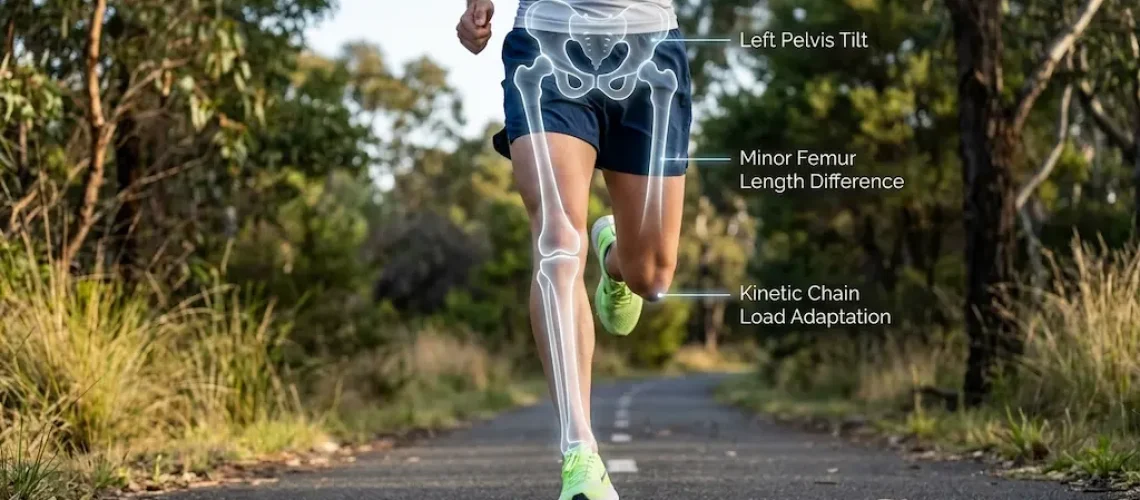
Running places repetitive, high-load demands on the body. Even small biomechanical imbalances can become significant over thousands of strides. Leg length discrepancy (LLD), where a difference in length between the two lower limbs is a common finding in osteopathic practice and is frequently discussed in relation to running-related injuries. From an osteopathic perspective, understanding whether a discrepancy is structural or functional is essential for effective management.
What Is Leg Length Discrepancy?
Leg length discrepancy refers to an inequality between the lengths of the lower limbs and is generally classified into two types:
- Structural (anatomical) LLD: A true difference in bone length, usually involving the femur or tibia
- Functional LLD: Apparent leg length difference caused by joint restrictions, muscle imbalance, pelvic asymmetry, or postural adaptation
Many runners present with functional discrepancies rather than true anatomical differences.
How Common Is It?
Mild leg length differences are extremely common in the general population. Discrepancies of less than 10 mm are often asymptomatic. However, in runners, even small differences can be magnified by the repetitive nature of running, particularly when combined with high training volume or poor recovery.
Impact of Leg Length Discrepancy on Running Mechanics
During running, the body seeks efficiency and symmetry. A leg length discrepancy may lead to compensatory patterns such as:
- Pelvic tilt or rotation
- Increased load on one hip or knee
- Altered foot strike or pronation patterns
- Asymmetric stride length
- Increased stress on the lumbar spine (lower Back)
Over time, these compensations can contribute to overuse injuries including iliotibial band syndrome, patellofemoral pain, Achilles tendinopathy, plantar fasciitis, or low back pain.
The Osteopathic Perspective: Function Over Measurement
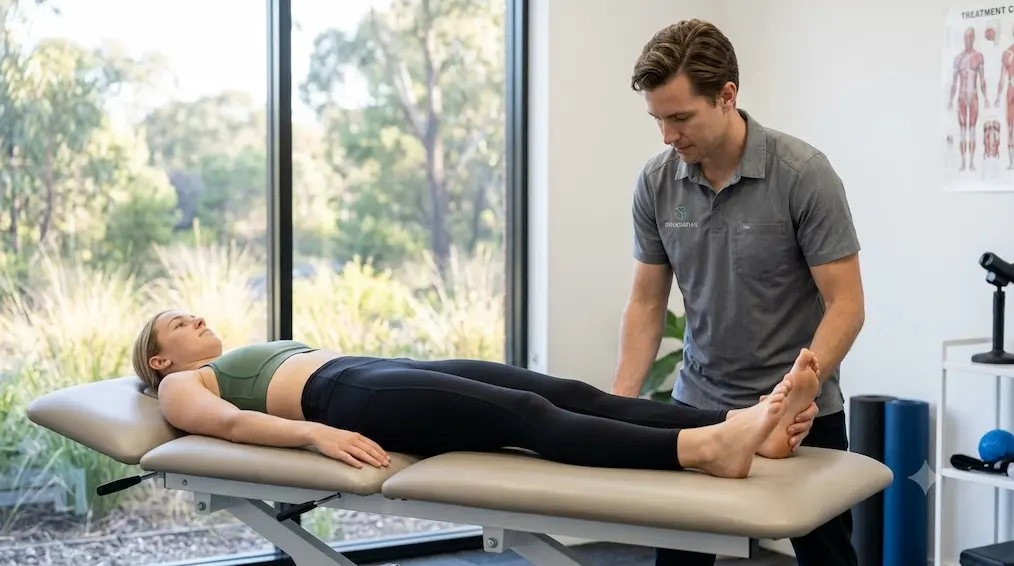
Osteopathy emphasizes function rather than measurement alone. While imaging can identify true anatomical discrepancies, osteopathic assessment focuses on how the body adapts to the difference.
Key areas assessed include:
- Pelvic alignment and mobility
- Hip, knee, and ankle joint function
- Lumbar spine mechanics
- Muscle balance and fascial tension
- Running history and training load
Many apparent leg length discrepancies resolve when pelvic or spinal restrictions are addressed.
Osteopathic Management of LLD in Runners
Treatment is individualized and may include:
- Manual therapy to improve joint mobility in the pelvis, hips, spine, and lower limbs
- Soft tissue and myofascial techniques to reduce compensatory tension
- Neuromuscular re-education to restore efficient movement patterns
- Running-specific advice, including load management
In cases of confirmed structural LLD, osteopaths may collaborate with podiatrists regarding heel lifts or orthotic support, used judiciously and progressively.
Should Runners Use Heel Lifts or Orthotics?
Not all runners with LLD require correction. Introducing a lift without proper assessment can sometimes increase symptoms. From an osteopathic standpoint:
- Functional discrepancies should be addressed manually first
- Structural discrepancies may benefit from partial correction
- Any correction should be gradual and monitored
The goal is to support the body’s natural adaptability rather than impose rigid symmetry.
Self-Management and Injury Prevention
Runners with suspected LLD are encouraged to:
- Progress training loads gradually
- Include mobility and strength work for hips and trunk
- Vary running surfaces and footwear
- Address early warning signs such as unilateral pain or recurring tightness
Consistency in recovery is as important as training volume.
When to Seek Osteopathic Assessment
Recurrent injuries on one side, persistent hip or back pain, or difficulty improving performance despite appropriate training may indicate an underlying biomechanical issue. Osteopathic assessment can help identify whether leg length discrepancy is a contributing factor and guide appropriate intervention.
Conclusion
Leg length discrepancy is a common finding among runners, but it does not automatically predict injury. From an osteopathic perspective, the key lies in understanding how the body compensates and whether those adaptations remain efficient under running demands. By addressing mobility, balance, and overall function, osteopathy offers a holistic approach to keeping runners healthy, resilient, and performing at their best.