
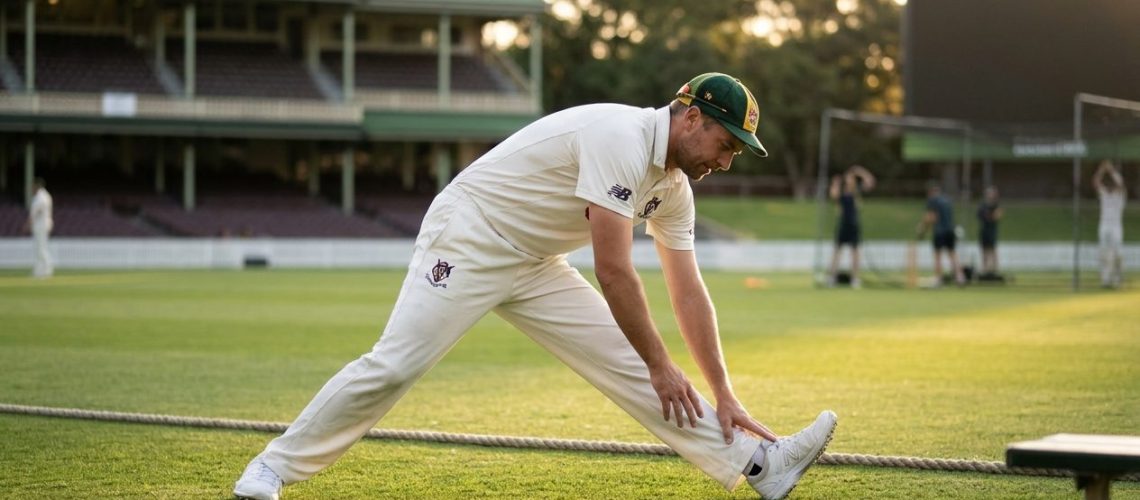
Cricket season is an exciting time for players of all levels, from social cricketers enjoying weekend matches to those competing at club level. As training sessions increase and game days return, so too does the risk of injury, particularly for athletes whose bodies may not yet be conditioned for the demands of the season.
As an osteopath with a special interest in sports injuries, I often see cricketers sidelined by injuries that could have been prevented through proper preparation, effective recovery strategies, and sensible workload management. Understanding the most common cricket-related injuries can help players stay healthy and perform at their best throughout the season.
1. Lower Back Pain and Stress Injuries
Lower back injuries are particularly common among fast bowlers and younger players. The repetitive twisting, bending, and extension involved in bowling can place significant stress on the lumbar spine, increasing the risk of muscle strains and stress fractures.
Prevention Strategies:
- Build strength through the core and gluteal muscles
- Ensure bowling technique is regularly assessed and refined by qualified coaches
- Closely monitor bowling workloads, especially in junior athletes
- Prioritize rest and recovery periods during the season
2. Shoulder Injuries and Rotator Cuff Strains
The repetitive overhead movements involved in bowling and throwing place considerable demand on the shoulder complex. Over time, poor mechanics, fatigue, or inadequate conditioning can contribute to pain and injury.
Prevention Strategies:
- Incorporate shoulder mobility and stability exercises into training
- Complete a thorough warm-up before throwing or bowling
- Strengthen the rotator cuff and surrounding shoulder muscles
- Address restrictions in the upper back and shoulder girdle early
3. Hamstring Strains
Explosive sprinting between wickets and chasing balls in the field can place the hamstrings under significant strain. These injuries are particularly common when players return to activity without adequate preparation.
Prevention Strategies:
- Perform dynamic warm-up exercises before training and matches
- Include eccentric strengthening exercises such as Nordic hamstring curls
- Maintain adequate hydration and recovery practices
- Gradually build running speed and intensity during pre-season
4. Knee Pain and Patellar Tendinopathy
Repeated running, jumping, and sudden changes of direction can place excessive load through the knee, particularly on hard playing surfaces. Over time, this may lead to irritation of the patellar tendon and persistent knee discomfort.
Prevention Strategies:
- Strengthen the quadriceps, calves, and surrounding lower-limb muscles
- Improve hip and ankle mobility to optimize movement patterns
- Wear appropriate footwear for the playing conditions
- Avoid sudden increases in training volume and intensity
5. Finger and Hand Injuries
Fielders and wicketkeepers are especially vulnerable to finger sprains, fractures, and impact injuries. While these injuries often seem minor, they can significantly affect performance if not managed appropriately.
Prevention Strategies:
- Practice correct catching and fielding techniques
- Use appropriate protective equipment when required
- Seek treatment for minor injuries before they become ongoing problems
- Maintain hand and grip strength throughout the season
Staying One Step Ahead
The best time to address potential injuries is before they occur. Early intervention often allows small issues to be corrected before they impact performance or result in time away from the game.
Osteopathic treatment combines hands-on therapy with tailored advice on mobility, strengthening, recovery, and sport-specific rehabilitation. This proactive approach can help cricketers move more efficiently, recover more effectively, and remain available throughout the season.
As another cricket season begins, invest some time in preparing your body for the months ahead. Smart preparation, consistent recovery, and appropriate injury management can make all the difference between spending the season on the sidelines or out on the field enjoying the game.
Play smart, stay healthy, and make the most of your cricket season.
Dr Michael Caruana
Osteopath