

The period following a workout is vital for promoting recovery and supporting your body’s adaptations to exercise. Proper fueling after training helps sustain energy for future sessions, minimises fatigue, and enhances overall performance, ensuring that each training session maximises your potential results.
Why Is Post-Training Nutrition Important?
Muscle Recovery
Intense exercise causes microscopic tears in muscles. Consuming the right nutrients post-workout aids in repairing and strengthening these tissues, supporting faster recovery and reducing the risk of injury.
Refuel Energy Stores
During exercise, your body depletes glycogen (stored carbohydrates) to fuel activity. Glycogen is especially important during high-energy activities like running, cycling, or lifting weights. Replenishing these stores with carbohydrates after training helps restore energy levels and prepares your body for the next session, helping to prevent fatigue and sustain endurance for future workouts.
Reduce Muscle Soreness
The right nutrition can help reduce muscle soreness by managing inflammation and promoting effective recovery. Nutrients like protein, antioxidants, and omega-3 fatty acids work together to support muscle recovery and minimise delayed onset muscle soreness (DOMS), allowing for a return to training in optimal condition.
Support Positive Training Adaptations
Refueling after a workout aids your body’s response to training, accelerating progress and reducing the risk of hitting a plateau. Over time, this helps ensure that your fitness goals, whether focused on strength, endurance, or muscle gain, are consistently achieved.
Support Immune Function
Inadequate post-training nutrition can weaken your immune system, increasing susceptibility to illness. This is especially significant if you train regularly or at a high intensity, as illness can disrupt your training schedule and hinder progress.
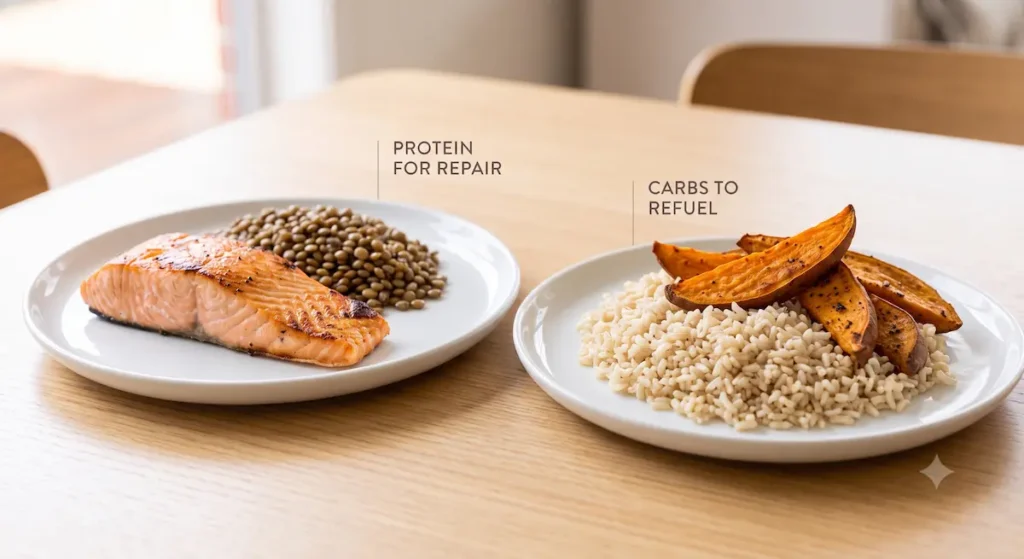
Post-training nutrition focuses on the 4 R’s: Refuel, Repair, Revitalise, and Rehydrate.
Refuel with carbohydrates
Why: Carbohydrates are the body’s preferred and primary source of energy, stored as glycogen in muscles. During exercise, particularly high-intensity or endurance workouts, your muscles rely on glycogen for fuel. After exercise, it’s important to replenish these glycogen stores by consuming carbohydrates to restore energy levels, support recovery, and prepare your body for the next training session.
Examples: Bread, oats, cereal, muesli, rice, pasta, potatoes, fruits and legumes.
Repair with protein
Why: Exercise, especially resistance training, breaks down muscle fibres. Protein provides essential building blocks (amino acids) to repair and rebuild these fibres. This process aids in recovery and supports muscle growth and strength gains over time.
Examples: Chicken, fish, eggs, yoghurt, whey protein, plant-based options like lentils or tofu.
Revitalise with healthy fats & colour
Why: Nutrient-dense fruits and vegetables (the “colour”) provide essential vitamins, minerals, and antioxidants that help combat inflammation and support recovery. Healthy fats contribute to long-term recovery, hormone regulation, and the absorption of fat-soluble vitamins like A, D, E, and K, which are crucial for overall health and performance. Examples: Fruits, vegetables, avocado, nuts, seeds, olive oil, fatty fish like salmon.
Rehydrate with fluids and/or electrolytes
Why: During exercise, fluids and electrolytes are lost through sweat. Rehydrating after a workout is essential to prevent electrolyte imbalances and support recovery. Eating salty foods with meals can also help replenish electrolytes effectively.
Examples: Water, milk, smoothies, and electrolyte-based drinks like Gatorade or Powerade. Including salty foods with meals can assist in electrolyte replacement.