
The New Year is a time when many people want to feel better in their bodies. A common New Year’s resolution is to exercise more. This is a great goal, but it is important to start safely and listen to your body. Osteopathy can support people as they begin or return to exercise by helping the body move well and recover properly.
Why Exercise Is Important
Exercise helps the whole body. It keeps muscles strong, joints flexible, and improves balance and coordination. Regular movement also helps the heart, lungs, and circulation. Many people notice they have more energy, better sleep, and improved mood when they exercise regularly.
However, after a break from exercise, the body may feel stiff or sore as it readjusts or learns to adapt to the new movement patterns. Doing too much too quickly can lead to aches, strains, or injury, especially if it is a new form of movement. This is why starting slowly and building up over time is important.
Setting Realistic New Year’s Goals
Many New Year’s resolutions fail because they are too big or too strict. Instead of saying “I will exercise every day,” a better goal might be “I will move my body three times a week.” Walking, stretching, swimming, cycling, or gentle strength exercises are all good options.
It is also helpful to choose activities you enjoy. When exercise feels enjoyable, it is easier to keep it as a long-term habit rather than a short-term goal.
How Osteopathy Supports Exercise
Osteopathy is a form of manual therapy that looks at how the whole body works together. Osteopaths believe that good movement helps the body heal and stay healthy. When joints, muscles, and tissues move well, the body can handle exercise and general daily tasks more easily.
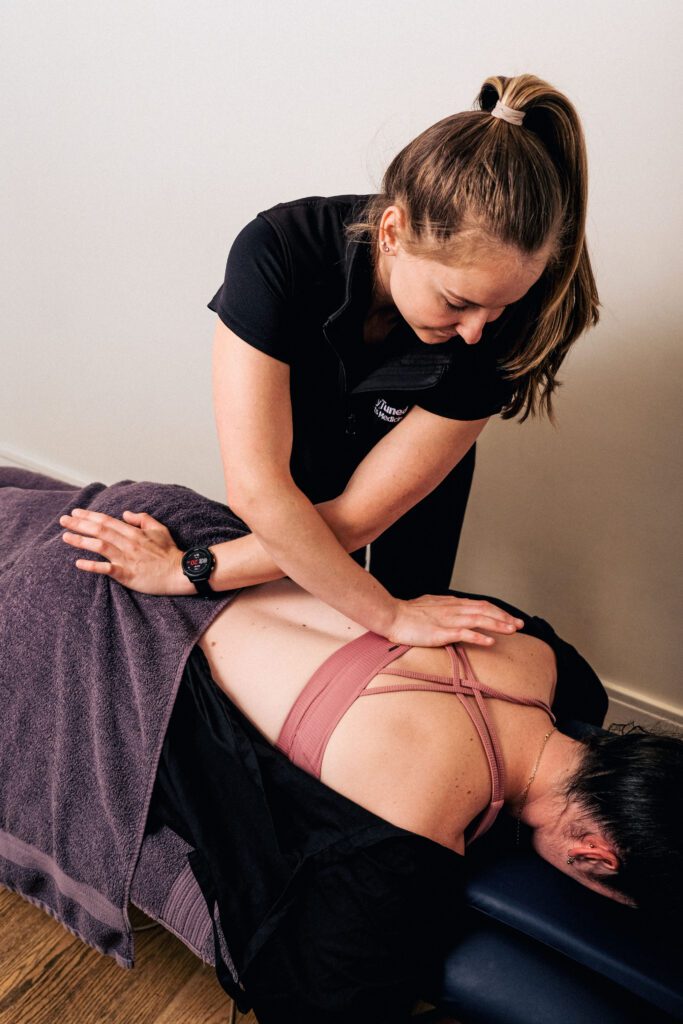
Manual therapy used in osteopathy includes gentle hands-on techniques to improve movement, reduce tension, and support circulation. This can help the body prepare for exercise and recover afterward. Targeted exercises and programs provided by Osteopaths can also get the body primed and ready for progression and support the joints to allow higher quality movement.
Manual Therapy and Injury Prevention
When starting a new exercise routine, some areas of the body may be tighter or weaker than others. This can place extra stress on certain joints or muscles. An osteopath can assess how the body moves and identify areas that may need support.
By improving joint mobility and muscle balance, manual therapy may help reduce the risk of injury. It can also help people feel more comfortable and confident when moving their bodies.
Recovery Is Just as Important
Exercise is only one part of staying healthy. Rest and recovery are just as important. Manual therapy and exercise therapy can help reduce muscle soreness and stiffness after exercise. They also support relaxation and body awareness, which can help people notice when they need to slow down.
Simple recovery habits such as stretching, breathing exercises, good sleep, and hydration work well alongside osteopathic care.
A Balanced Approach to the New Year
New Year’s resolutions do not need to be perfect. Small, steady changes often lead to the best results. Exercise, when done safely and regularly, supports long-term health. Osteopathy and manual therapy can help by keeping the body moving well and supporting recovery.
By listening to your body, setting realistic goals, and seeking support when needed, the New Year can be a positive start toward better movement and overall wellbeing.
Let us guide you towards an achievable New Years Resolution or life change, and our Osteopaths at Stay Tuned are always ready to work with you to achieve your goals.
Dr Amy Welsh
Osteopath & Group Exercise Rehab Instructor