
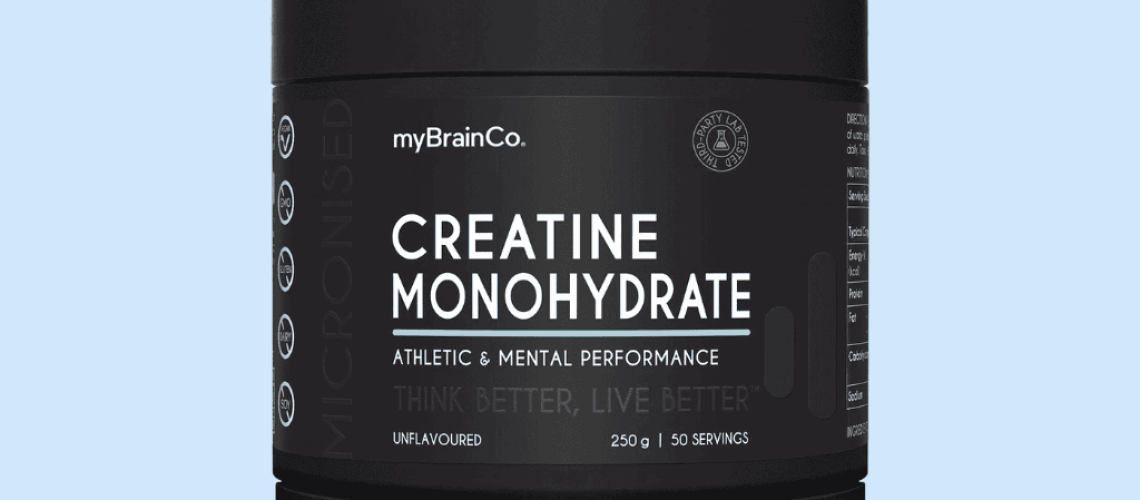
As a sports dietitian, one of the most common supplement questions I get asked is: “Should I be taking creatine?”
Creatine is a naturally occurring, non-protein amino acid synthesised by the body (primarily in the liver and kidneys) and consumed through diet—mostly via red meat and seafood.
Inside the body, creatine binds with a high-energy phosphate group to become phosphocreatine (creatine phosphate), which is stored in muscle tissue.
- When your body needs rapid, high-intensity energy—like executing a heavy deadlift, a powerful sprint, or a quick change of direction—phosphocreatine splits to rapidly regenerate ATP (adenosine triphosphate), your cellular energy currency.
- The more creatine stored in your muscles, the longer you can sustain high-intensity efforts before fatigue sets in. While you can get creatine from whole foods, hitting optimal muscle saturation through diet alone is nearly impossible. To maintain peak stores purely from food, an athlete would need to consume roughly 1 kilogram of raw beef or fish every single day! Supplementation bridges this gap.
While traditionally viewed as a staple for strength and hypertrophy athletes, research shows that creatine benefits a massive range populations:
- Resistance Training & Power Sports: Weightlifting, sprinting, rugby, soccer, basketball, mixed martial arts, and swimming.
- Plant-Based Athletes: Because dietary creatine is found exclusively in animal products, vegetarians and vegans have significantly lower baseline intramuscular creatine stores. As a result, plant-based athletes often see an even greater performance boost from supplementation.
- Broader Health & Recovery Benefits: Beyond muscle performance, emerging research highlights creatine’s potential roles in post-exercise recovery, injury rehabilitation, and cognitively, particularly in periods of high stress or limited sleep.
You have two main roads to choose from when starting creatine:
- The Loading Protocol (Fast Route): Take 20g to 25g per day (split into 4–5 smaller doses of 5g to avoid gastrointestinal discomfort) for 5 to 7 days. This rapidly saturates muscle stores.
- The Slow & Steady Protocol: Take 3g to 5g per day right from the start. You skip the loading phase entirely, and while it takes longer (roughly 28 days to hit full saturation), it achieves the exact same endpoint with zero fuss.
Once your muscles are saturated, a small amount of creatine is naturally broken down and excreted daily. To maintain peak levels, take a daily maintenance dose of 3g to 5g per day (scaling higher if you carry a significantly larger muscle mass).
While daily consistency is the ultimate priority, timing can offer a slight edge. Research suggests that taking your creatine immediately post-workout may yield slightly superior lean mass gains compared to pre-workout consumption. Throwing it into your post-training water bottle or protein shake is an easy way to build the habit.
The most common concern clients raise is weight gain and the fear of looking “puffy.”
Yes, creatine may cause initial weight gain—typically 1 to 2 kilograms during the first week of loading. However, this water is stored intracellularly (inside the muscle cells), not subcutaneously (under the skin).
- The Mechanism: Creatine increases the osmotic pressure inside the muscle cell, drawing water in along with it. This cell swelling not only boosts total body weight and hydration status, but it also acts as a mechanical trigger to support muscle growth.
- Once your muscle cells reach peak saturation, the water weight stops accumulating. It does not spill over into a general puffy or bloated appearance; it simply means your muscles are fully hydrated and primed for performance.
Creatine monohydrate is safe, heavily researched, remarkably cheap, and exceptionally effective. Whether you want to hit a personal best in the gym, recover faster from team sports, or optimise a plant-based diet, creatine is one of the supplements that truly lives up to the hype.