
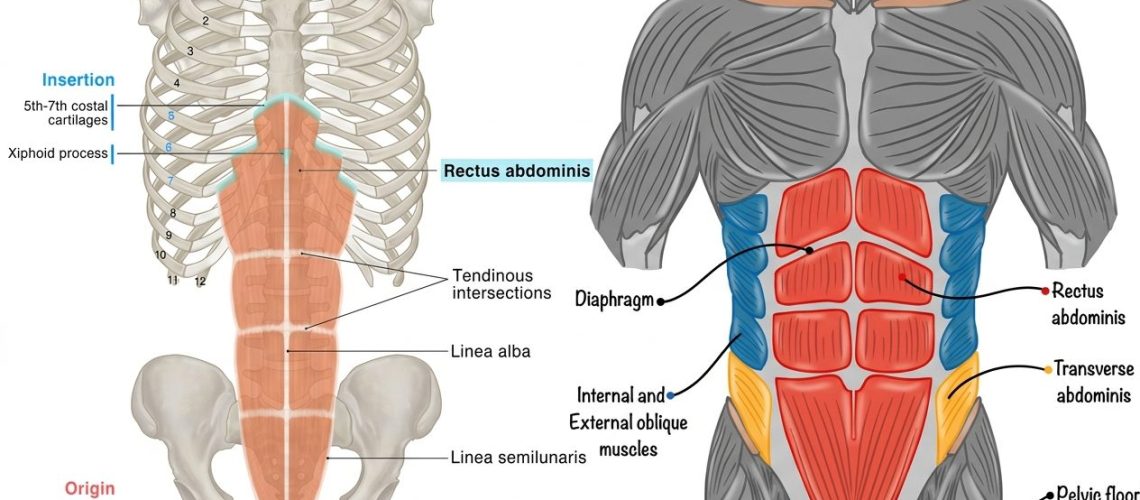
Diastasis Rectus Abdominis (DRAM) is a common change that occurs during pregnancy when the abdominal muscles gently stretch and move apart. Although this is a natural response, many women are unaware of how it can influence recovery, posture, and long‑term core function. Understanding DRAM is an important first step in supporting safe and confident postpartum healing.
What is DRAM?
As your baby grows, the abdominal wall expands to make space. The connective tissue between the “six‑pack” muscles stretches, creating a small gap known as Diastasis Rectus Abdominis. For some women, this separation closes soon after birth. For others, it may take longer and can contribute to reduced core stability, changes in posture, discomfort with daily activities, or a feeling that the core is “not quite like before.”
Why DRAM Matters
Your abdominal muscles support everyday movements such as lifting your baby, sitting, standing, breathing, and stabilising your back and pelvis.
When these muscles are stretched or not working as strongly, you may notice:
- Lower‑back discomfort
- Feeling less supported when lifting
- A sense of softness or instability through the midsection
Understanding DRAM helps you make informed decisions about your recovery and feel more in control of your healing.
How Physiotherapy Supports Recovery
Physiotherapy offers gentle, safe strategies to help your core reconnect and strengthen over time. This may include:
- Deep core activation — learning to switch on the muscles that support your tummy and spine
- Simple guided exercises — movements you can fit into daily life to gradually rebuild strength
- Posture and movement tips — ways to lift, feed, and move that protect your healing core
- Supportive taping — optional techniques that help you feel more secure
- Regular check‑ins — gentle progress tracking and encouragement
These approaches aim to improve comfort, stability, and confidence as your body recovers.
Why Women Value DRAM Recovery Programs
Recovery programs are designed for real postpartum life which is gentle, flexible, and supportive. They offer clear guidance, reassurance, and steady progress without pressure or complicated routines.
Many women find that these programs help them:
- Feel stronger and more stable
- Reconnect with their core
- Move with greater confidence
- Understand their bodies during recovery